History of Manta
Manta is one of the cities with the oldest history on Ecuador’s coast. Before it was called Manta it was Jocay, the main settlement of the Manteño culture, a people of sailors and traders who dominated this part of the Pacific until the arrival of the Spanish in the 16th century. It became an independent canton on November 4, 1922, a date the city celebrates every year.
Jocay and the Manteño culture
The coast of Manabí was inhabited thousands of years before colonial times. The Manteño culture, the last of those pre-Columbian societies, flourished approximately between the years 800 and 1530 AD; exact dates vary by author.
The Manteños were above all sailors and traders. They traveled on large wooden rafts with sails and carried goods along the Pacific coast, such as the Spondylus shell, highly valued across the Andean region. They also fished and farmed terraces on the nearby hills.
Their main settlement was called Jocay. The translation most often repeated in Manta is “house of the fish”, although other sources suggest different interpretations.
The Manteño stone seat
The best-known symbol of this culture is the U-shaped stone seat, carved from rock and decorated with human or animal figures. It’s believed to have been a ceremonial seat linked to political and religious power.
Many of these seats were found on the hills of Hojas and Jaboncillo, between Portoviejo and Montecristi. In the early 20th century, the expeditions of US archaeologist Marshall Saville took numerous pieces out of the country, and some are now kept in museums abroad, such as the American Museum of Natural History in New York. Today the Manteño seat appears on coats of arms, on monuments and in the city’s visual identity.
The arrival of the Spanish
In 1526 the pilot Bartolomé Ruiz, from Francisco Pizarro’s expedition, met a raft of Manteño traders laden with goods off this coast: one of the first documented contacts between Europeans and the peoples of present-day Ecuador.
There’s no single date for the Spanish founding. Sources mention Captain Francisco Pacheco between 1534 and 1535, and a 1563 order from the Royal Audience of Quito to found the town under the name San Pablo de Manta. During the colonial period Manta came under the jurisdiction of Portoviejo and later Montecristi; pirate attacks in the 17th century drove part of its population to take refuge inland.
Becoming a canton (November 4, 1922)
During the 19th and early 20th centuries, Manta was a parish of Montecristi canton. The push for independence was a long one:
- 1912: the first pro-canton committee is formed, chaired by Ascario Paz Bonilla.
- August 30, 1922: the bill is presented to the Chamber of Deputies.
- 1922: President José Luis Tamayo signs the decree.
- November 4, 1922: the decree takes effect and Manta becomes a canton of the province of Manabí.
Since then, every November 4 the city has celebrated its anniversary with civic parades, official ceremonies and concerts on El Murciélago beach. 2026 marks 104 years.
From port to “tuna capital”
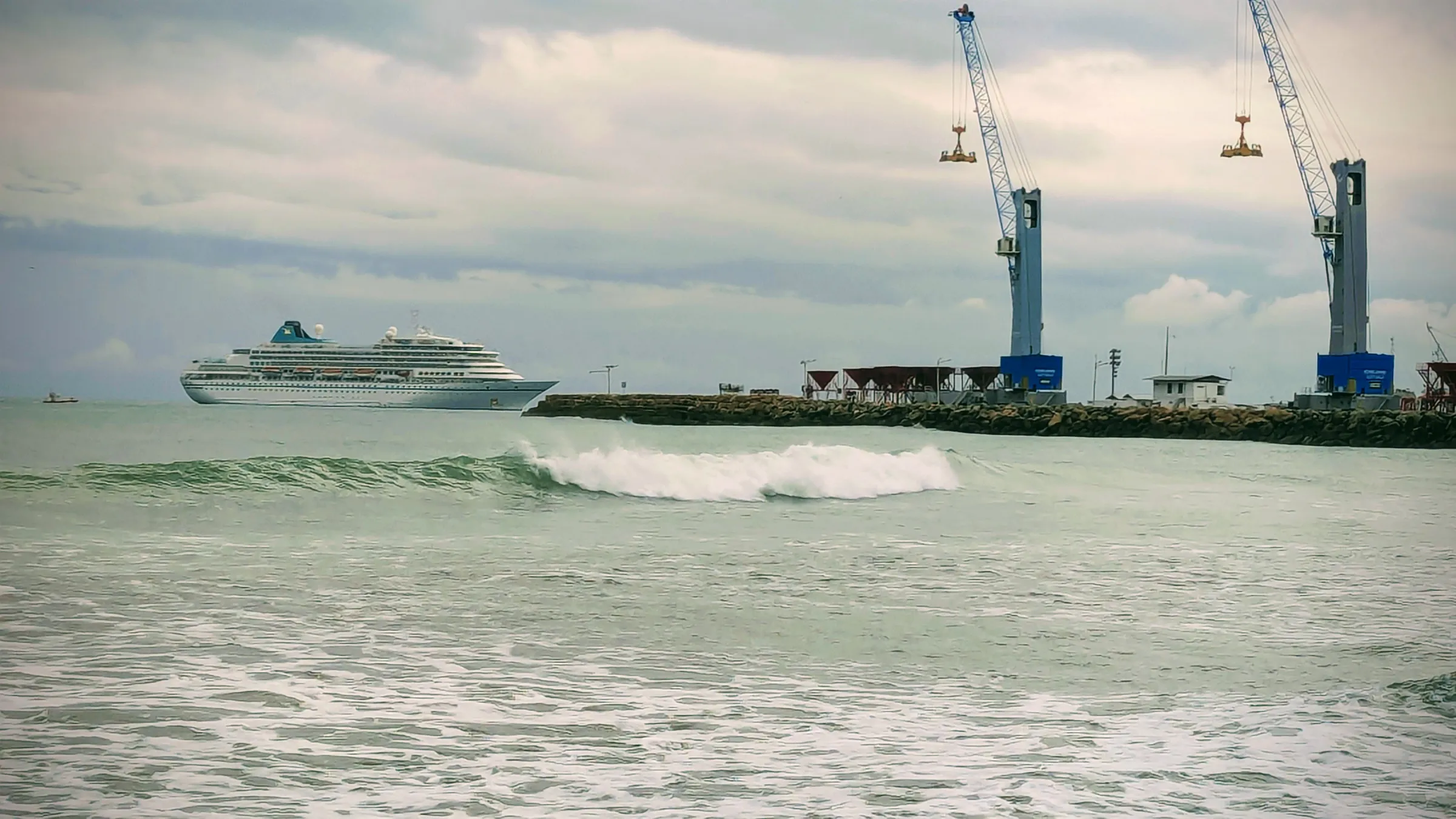
As a canton, Manta grew around its port. Fishing, and especially the tuna industry, made it one of the main fishing ports of the eastern Pacific, known as the tuna capital of Ecuador. The processing plants are concentrated in Los Esteros parish, while the artisanal catch still arrives every morning at Playita Mía.
The city also created new parishes as it expanded: Tarqui in 1929, San Lorenzo in 1949, Los Esteros in 1979, San Mateo in 1982 and, most recently, Urbimanta in 2025. See all the parishes of Manta.
The 2016 earthquake
On April 16, 2016, a magnitude 7.8 earthquake struck the coast of Manabí. In Manta, the commercial area of Tarqui was the worst affected, with collapsed buildings and loss of life. The reconstruction of the following years changed much of that parish’s urban landscape.
Frequently asked questions
When is Manta’s anniversary?
On November 4. Manta became a canton on November 4, 1922, when it ceased to be a parish of Montecristi.
What is Manta’s ancient name?
Jocay, the name of the main settlement of the Manteño culture. After the arrival of the Spanish it was given the name San Pablo de Manta.
Who founded Manta?
The Spanish founding is attributed to Captain Francisco Pacheco (1534–1535), although sources disagree on the exact date. Before that, the place was already a Manteño settlement with centuries of history.
Want to get to know the city today? See what to see in Manta, where it is and what its climate is like or its 13 beaches.